
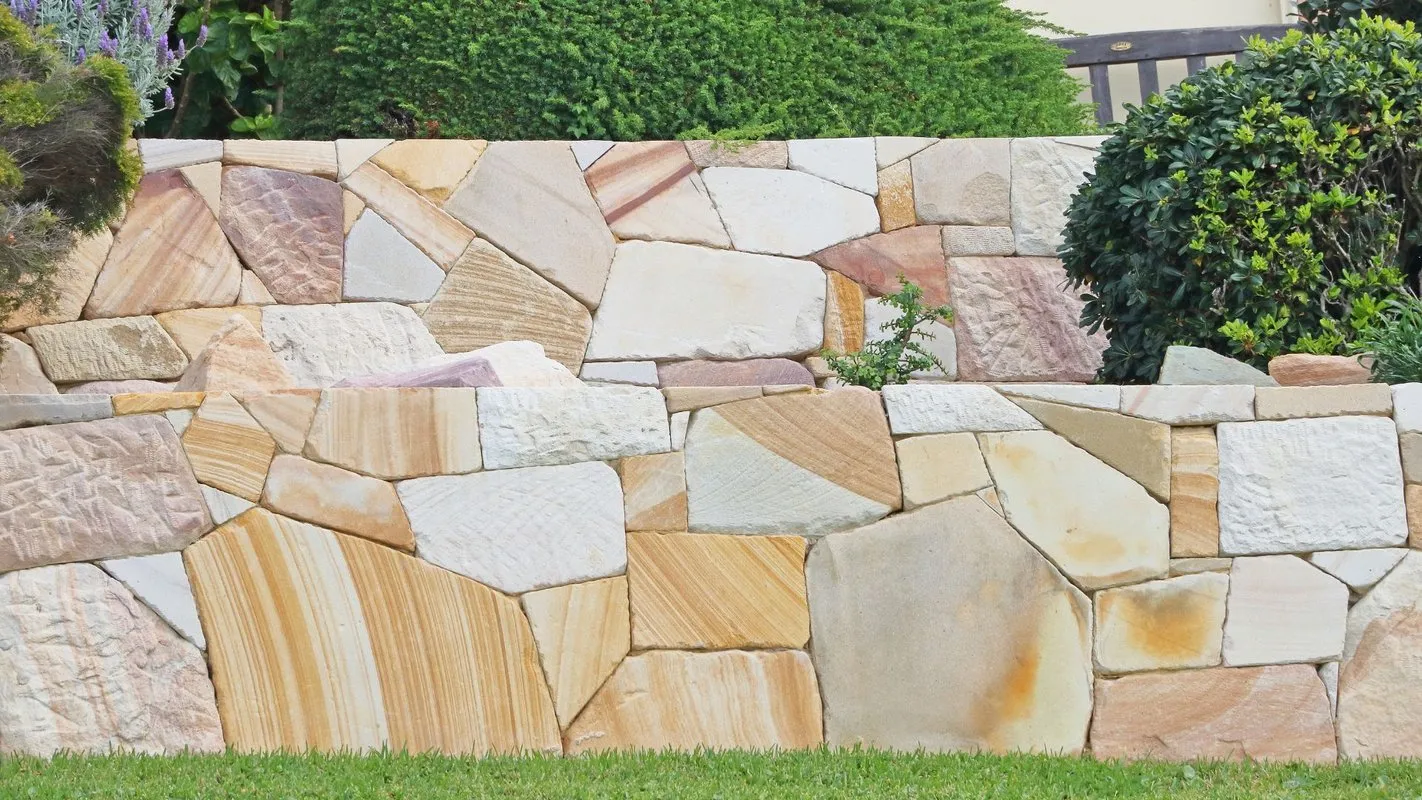
Retaining Walls
Engineered and feature retaining walls in stone, block and timber for sloping blocks, coastal sites and hinterland properties, usually built as part of a wider landscape project rather than as a standalone wall.
Learn More →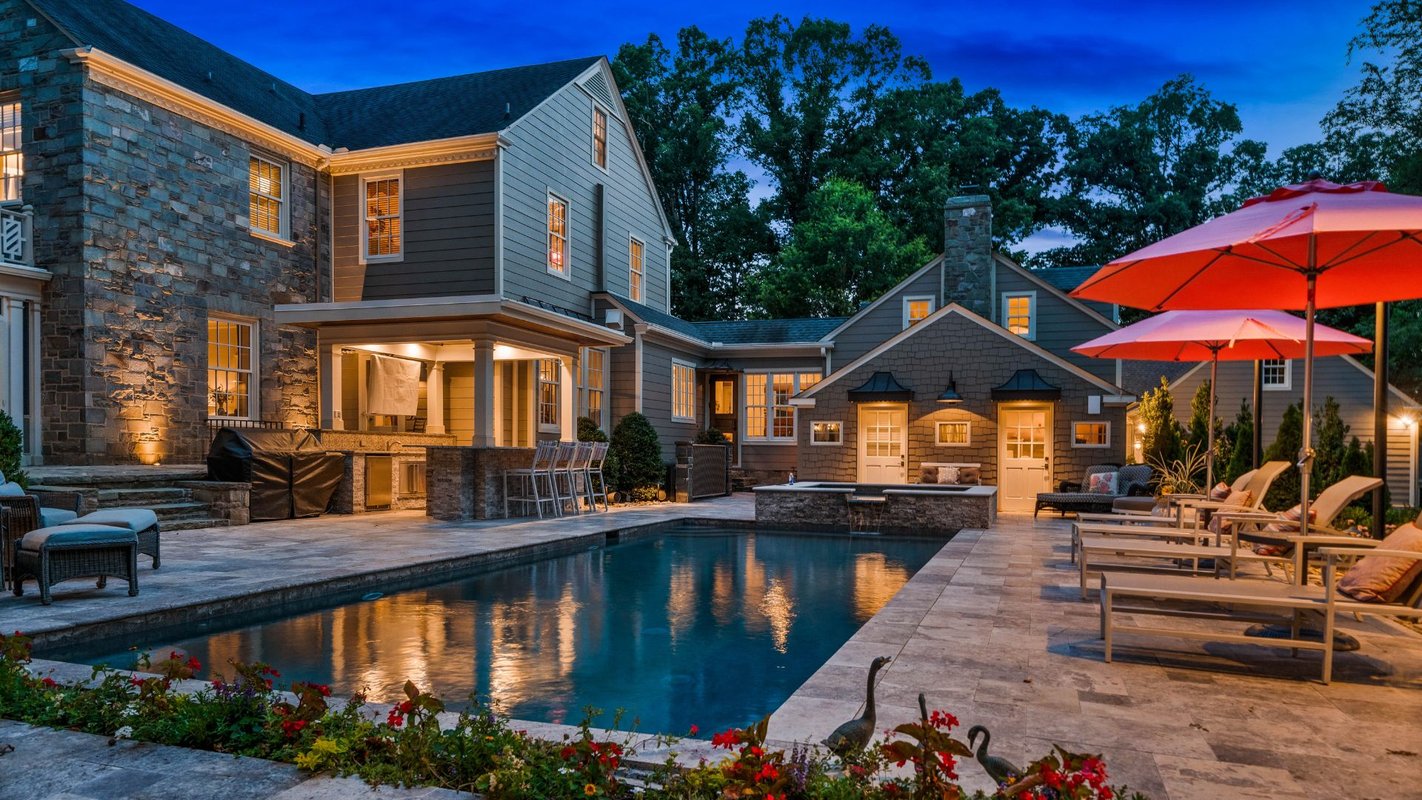
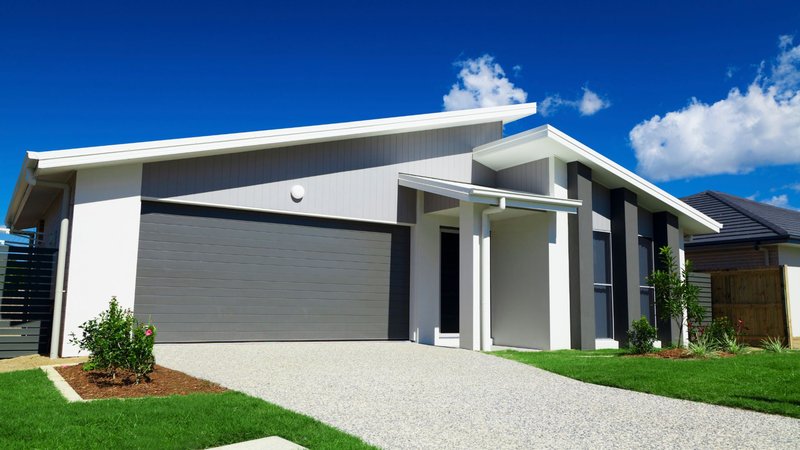
Design-and-construct landscaping managed as one project: complete backyard transformations, new-home landscapes and major renovations, combining paving, walls, turf, planting, drainage and outdoor living in a single scope.
Request a Quote
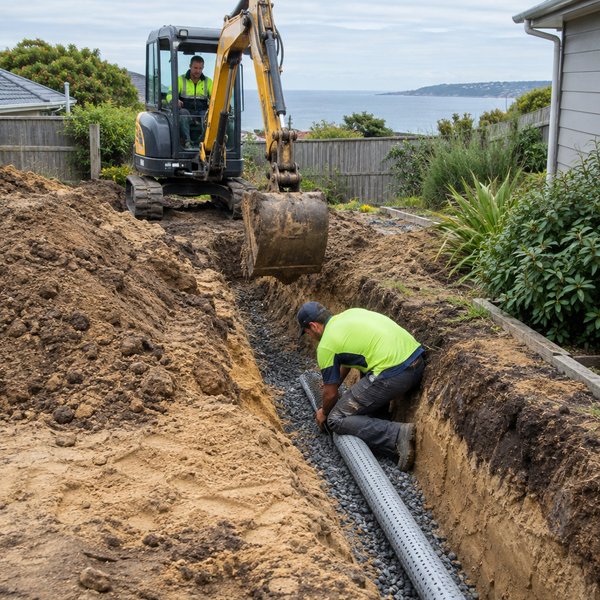
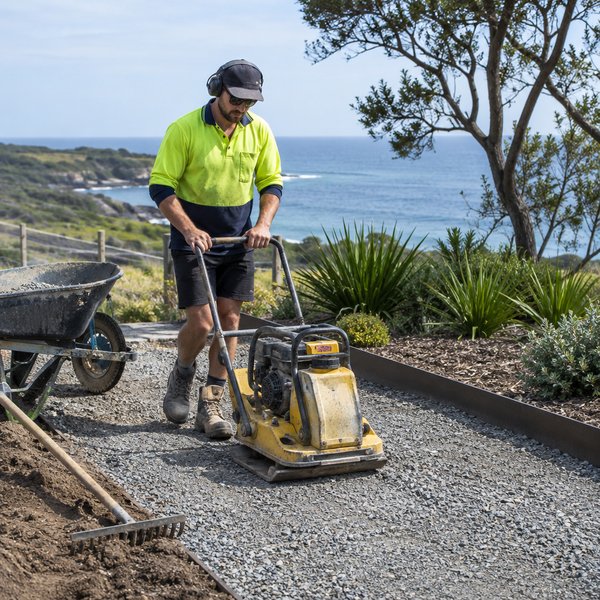
Good landscape construction starts below the surface. We cut and level sites with compact excavators. Then we lay slotted ag pipe in gravel-filled trenches and compact crushed rock bases in layers with a plate compactor, so paths, patios and garden walls stay put. Once the groundwork is right, we build the parts you see: steps, edging, raised beds, turf and planting. If your yard has a slope or needs a solid edge, we can build retaining walls as part of the same project.
Ground conditions change a lot across the Mornington Peninsula. Blocks near the bay and back beaches often sit on loose sand that drains fast but shifts under weight, so bases need extra compaction and firm edge restraints. Up in the hinterland, heavier clay soils hold water through the cool, wet winters. Without proper fall and drainage, that water ends up pooling against your house. Salt-laden wind and changeable weather also affect material choices. We favour stone, galvanised or stainless fixings, and plants that handle exposure.
Many of our clients start with a backyard that looks like a builder left it: compacted fill, a muddy patch where the lawn should be, and water sitting at the back door after every downpour. Others have an older garden with sunken pavers and timber sleepers rotting at the base. We sort out the levels and drainage first, then build a layout that suits how you use the space. Many projects finish with paving and natural stone for a hard-wearing outdoor area.
Every stage of our landscape construction, from groundwork to finished garden
We walk the site, check soil type, and note where water runs and pools. Underground services are located before any digging. We then mark out the design with string lines, pegs and a laser level so you can see the layout on the ground before work starts.
A compact excavator removes topsoil, cuts high spots and shapes falls away from the house. We trench for slotted ag pipe and connect it to stormwater pits or a legal point of discharge. Surplus spoil is either reused on site or taken away.
Crushed rock goes down in layers. Each layer is compacted with a plate compactor to build a firm base. This is when we build steps, edging, footings and raised bed frames, and lay conduit and irrigation sleeves under future hard surfaces.
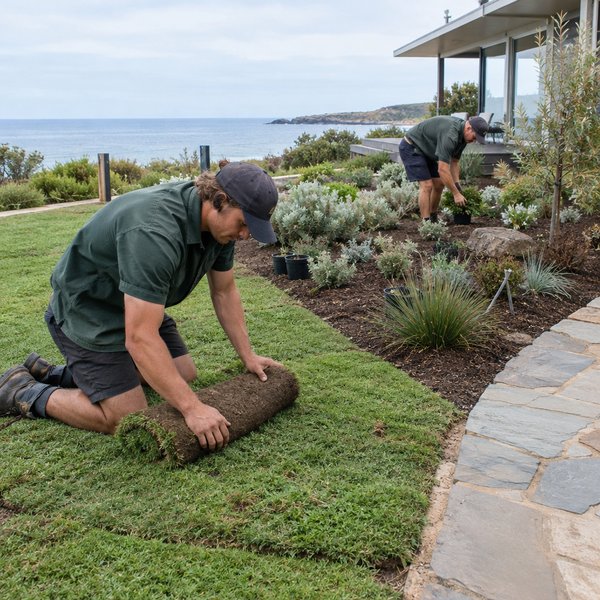
We lay paving, gravel or turf, fill garden beds with a quality soil blend, and plant to suit your aspect and exposure. Beds are mulched and new plants watered in. We clear the site and walk you through care for the first season.
Practical improvements you'll notice in every season
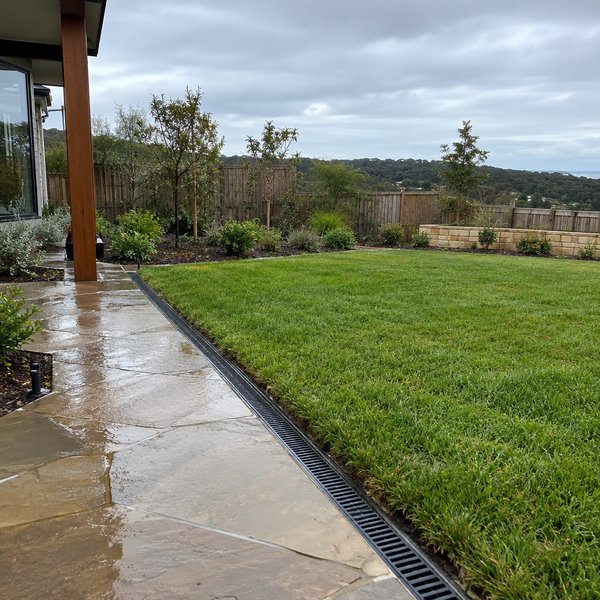
Proper falls and subsurface drainage move water away from your house and lawn. You avoid soggy patches, muddy paths and water pooling at the back door after heavy rain. The yard stays usable through the wetter months.
A properly compacted base and firm edge restraints stop pavers sinking and gravel spreading. This matters most on loose sandy soils and reactive clay. You get surfaces that stay flat and safe to walk on, with less patching later.
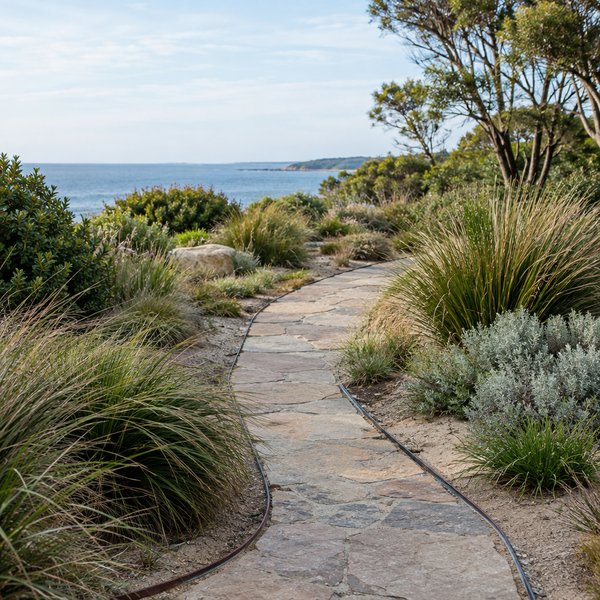
We plan the layout around how you use the space, from a flat lawn for the kids to stepped terraces on a sloping block. Plants and materials are chosen for your aspect and wind exposure. The result is an outdoor area you use, not just look at.
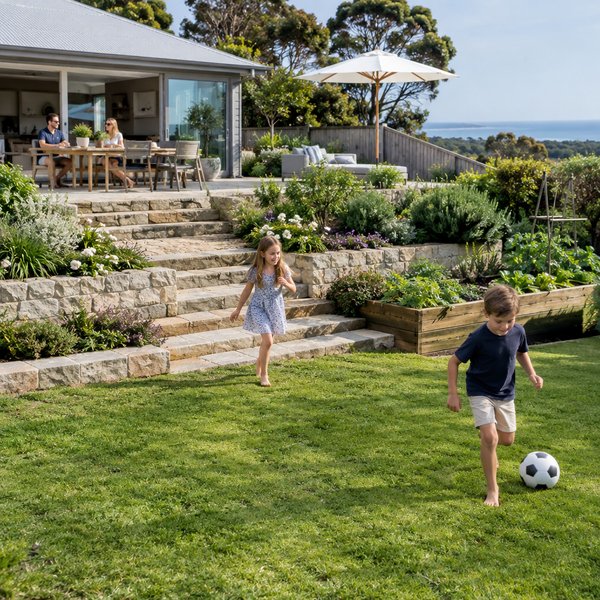
We know how coastal sand behaves near the bay and how hinterland clay holds water. We adjust base depth, compaction and drainage to suit your soil. That is what keeps finished work from sinking or flooding.
Most failed gardens we're asked to fix come down to poor drainage. We set falls and install ag pipe and pits before any paving or turf goes down. Your outdoor area handles changeable weather instead of fighting it.
We handle excavation, retaining, paving, decking, structures and planting in-house. You don't need to coordinate several trades or wait between stages. Each part of the job is built to work with the next.
Salt air and wind are hard on cheap fixings and soft timbers. We recommend stone, durable hardwoods, galvanised or stainless hardware, and hardy plants that suit exposed sites. You get a garden that holds up season after season.
Common questions answered
It depends on site size, access, how much excavation and drainage is needed, and the finishes you choose. Wet weather can also pause earthworks, because working saturated clay damages the soil structure. We give you a realistic timeframe in your quote once we have seen the site.
The main factors are site access for machinery, the amount of soil to remove or bring in, drainage needs, slope, and your choice of materials. Natural stone and complex step work cost more than gravel and turf. We break down each part of the job in your quote so you can see where the money goes.
Yes. Sand drains well but moves under load. We compact bases more thoroughly, use solid edge restraints to hold pavers and gravel in place, and add soil improvers to garden beds so plants can hold moisture. Salt-tolerant plants and corrosion-resistant fixings also help in exposed coastal spots.
Winter can slow earthworks, especially on hinterland clay that turns sticky when wet. Planning, set-out and some structural work can still go ahead, and autumn and winter suit planting because roots establish before summer. We schedule around the weather so we don't compact wet soil or pour bases in poor conditions.
Most garden work does not need a permit. Some retaining walls, structures, vegetation removal and works near boundaries or easements can. Rules vary by zone and overlay, so we flag anything that may need approval during the site assessment and you can confirm details with the local council.
We provide Landscape Construction throughout the Mornington Peninsula, VIC and surrounding suburbs.
Don't see your area? Contact us to check if we service your location!
View All AreasExplore our other services
Engineered and feature retaining walls in stone, block and timber for sloping blocks, coastal sites and hinterland properties, usually built as part of a wider landscape project rather than as a standalone wall.
Learn More →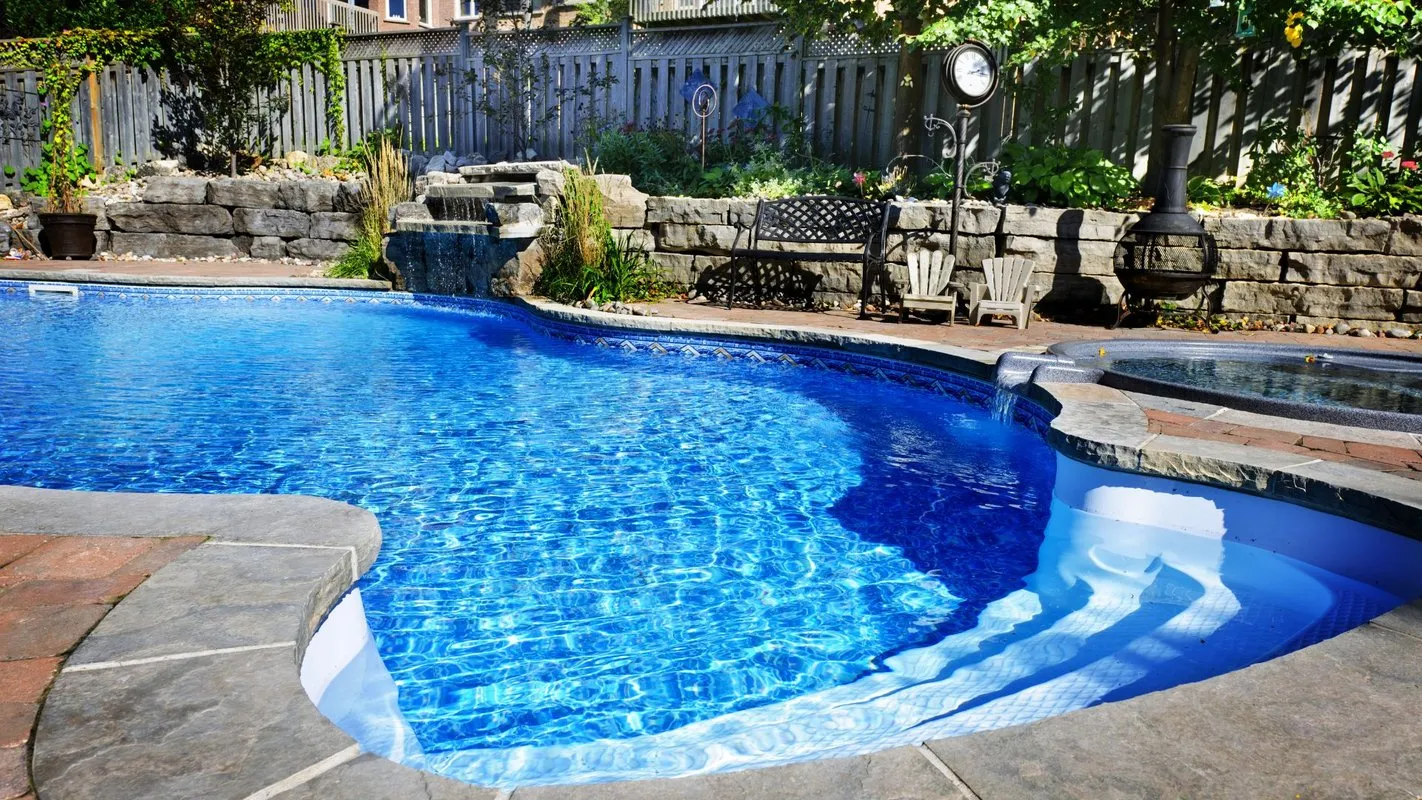
Pool surrounds, coping and pool paving, pool fencing, planting and entertaining areas that tie a new or existing pool into the rest of the garden.
Learn More →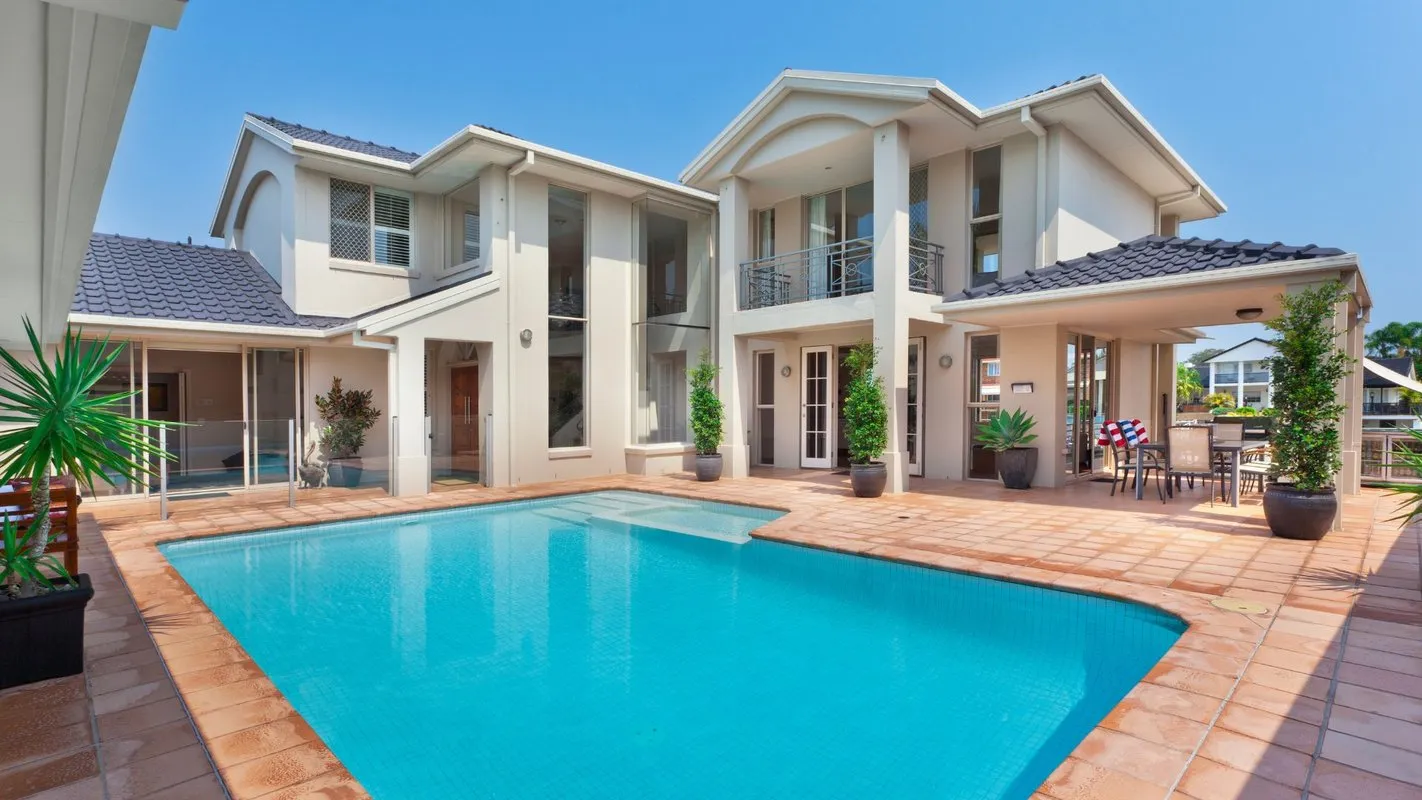
Premium paving and natural stonework: bluestone, sandstone, travertine and porcelain pavers for terraces, courtyards, paths, steps and pool areas.
Learn More →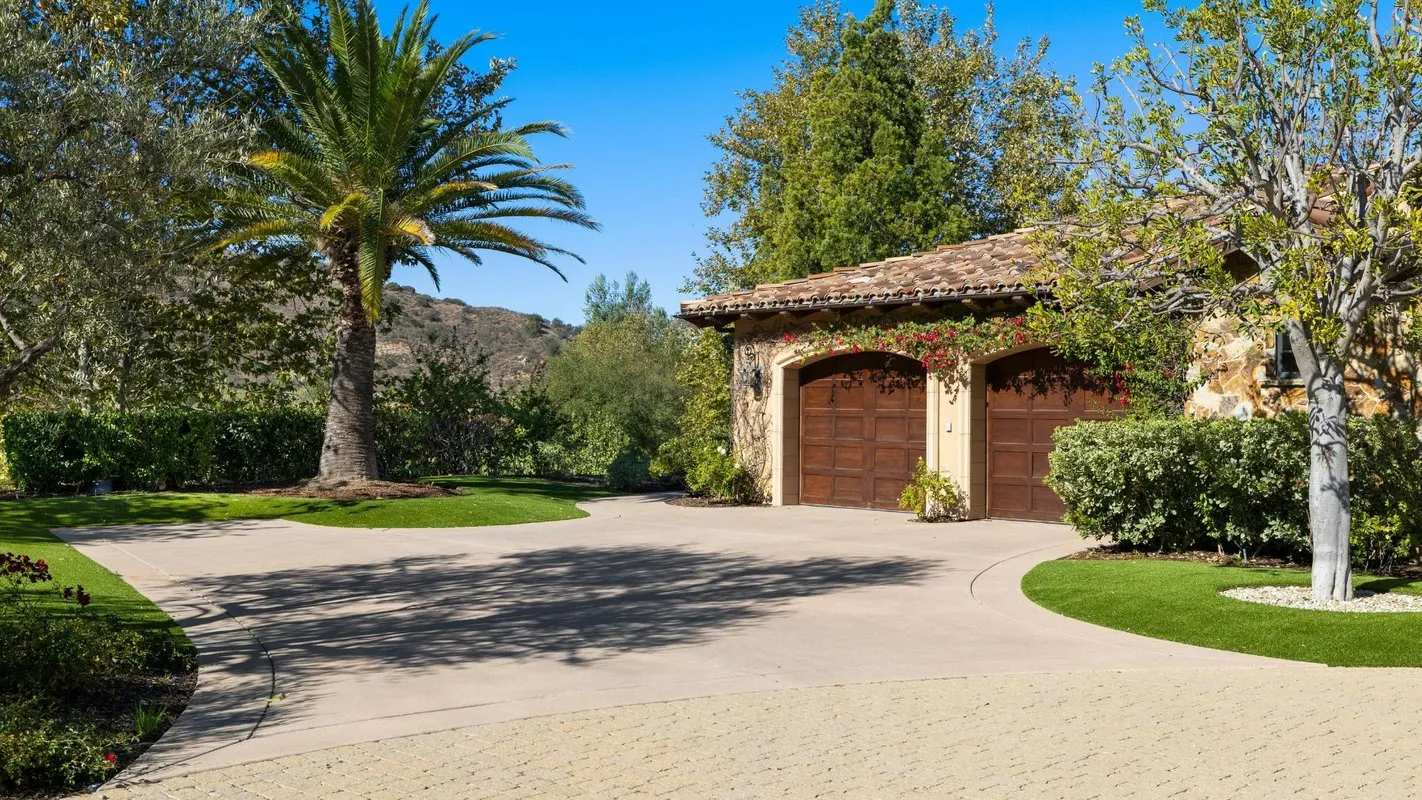
Exposed aggregate, burnished and honed concrete for driveways, paths, slabs and entertaining areas, finished to suit the house and landscape.
Learn More →